Phone: +86 13592730872 E-mail: bf17@baifeitest.com

Luggage Testing Instruments Ultimate Guide to Choosing the Right Tools

1. Understanding Luggage Testing Instruments
Luggage Testing Instruments play a critical role in the travel goods industry, and you’ll soon see why. These tools ensure that every suitcase, backpack, and travel case can handle real-life use. Since people expect their luggage to survive rough handling at airports, bumpy transport, and the occasional drop, manufacturers must rely on precise testing equipment to verify durability and performance.
Because the travel market is more competitive than ever, using accurate and advanced Luggage Testing Instruments is no longer optional—it’s the foundation of product reliability. In the first 10% of this guide, we’ll break down what these tools do and why they’re essential.

1.1 Why Luggage Testing Instruments Matter
When you think about travel, you probably picture bustling terminals, luggage conveyors, and people tossing suitcases into car trunks. Luggage goes through a lot, which means manufacturers need dependable testing systems to simulate real-world stress.
These instruments help determine:
- Drop resistance
- Impact tolerance
- Vibration endurance
- Handle strength
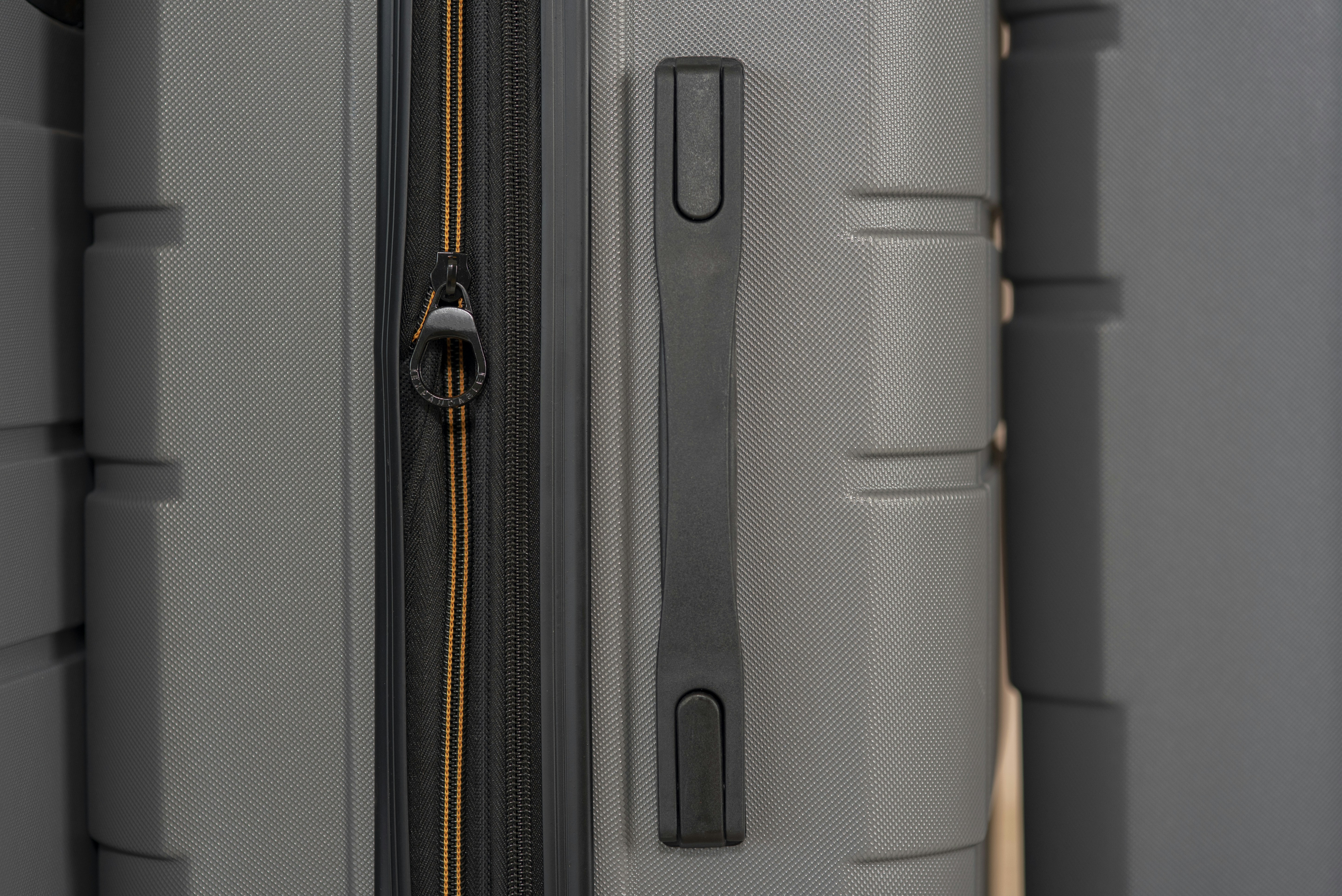
- Zipper durability
Without this testing, even the best-looking suitcase might fail during a customer’s first trip—which isn’t great for brand reputation.
1.2 Key Performance Indicators in Luggage Testing
To measure quality, engineers use several KPIs, including:
- Load capacity
- Fatigue cycles
- Material deformation levels
- Zipper cycle count
- Handle tensile strength
These KPIs guide manufacturers in setting internal quality standards and comparing themselves with top competitors worldwide.

1.3 Industry Standards and Certifications
Luggage Testing Instruments often follow global testing standards, such as:
- ASTM D6858
- ISO 11334
- BIFMA standards for travel cases
- EN 12195
These certifications help brands show that their products meet internationally accepted durability and safety requirements.

2. Core Types of Luggage Testing Instruments
There’s no one-size-fits-all solution when it comes to Luggage Testing Instruments. Each type focuses on specific features of a suitcase’s performance. Below, we’ll review the most widely used instruments and how they help manufacturers create strong, reliable products.
2.1 Drop Test Machines
Drop Test Machines simulate real-world impacts. They measure how much force a suitcase can withstand when dropped on corners, edges, and flat surfaces. This test is crucial because many luggage failures happen during handling at airports.
What they evaluate:
- Shell cracking
- Corner reinforcement
- Wheel housing stability
- Structural deformation
Manufacturers rely heavily on this machine because dropping is one of the most common causes of real-life damage.
2.2 Vibration Test Systems
Think about luggage riding in a bus, train, or airplane cargo area. It experiences continuous vibration that can loosen screws, warp frames, and stress fabric materials.
Vibration Test Systems simulate:
- Long-distance travel conditions
- Rough terrain movement
- Continuous shaking
They help identify hidden weaknesses that only appear after extended use.
2.3 Zipper Fatigue Testers
Zippers are one of the first components to fail in luggage. These testers repeatedly open and close zippers until they reach their breaking point.
They evaluate:
- Slider strength
- Chain durability
- Stitching reliability
Brands that invest in this type of Luggage Testing Instrument reduce customer complaints significantly.
2.4 Handle Strength Testers
Handles are exposed to pulling, twisting, and sudden force. A Handle Strength Tester measures tensile resistance and load capacity. If the handle breaks, the customer can’t carry the bag—so it’s a high-priority test.
2.5 Tumble Test Chambers
A Tumble Test Chamber rotates luggage inside a drum, causing impacts from all directions. It’s one of the toughest tests available and helps determine whether a suitcase can survive long-term harsh treatment.
3. How Luggage Testing Instruments Improve Product Quality
This section (700–800 words) explains the long-term value of using these testing tools.
Modern consumers expect their luggage to last through multiple trips, meaning durability has become a major selling point. Luggage Testing Instruments help manufacturers elevate their product quality to meet today’s expectations.
3.1 Enhancing Structural Durability
These tools allow engineers to detect structural weaknesses before mass production. For example:
- Additional ribs may be added to hard-shell luggage.
- Reinforced stitching can be applied to soft-shell bags.
- Wheel mountings can be redesigned for better stability.
3.2 Reducing Customer Complaints
A small flaw—such as a stuck zipper or broken wheel—can destroy customer trust. Testing instruments reduce failure rates dramatically.
3.3 Supporting R&D and Product Iteration
High-quality Luggage Testing Instruments shorten the R&D cycle because engineers get fast, accurate data.
3.4 Case Studies From Global Brands
Major travel brands use similar testing systems. While specific data isn’t disclosed, it’s widely known that companies invest in:
- Multi-axis vibration testers
- High-capacity handle testers
- Smart data-logging drop testers
This helps them maintain consistent global quality.
4. How to Select the Best Luggage Testing Instruments
Choosing the right equipment affects performance, accuracy, and long-term cost.
4.1 Assessing Test Requirements
Different materials require different testing equipment. Polycarbonate, ABS, fabric, and aluminum luggage all respond differently to stress.
4.2 Considering Automation Level
Automated systems help maintain consistency. They also reduce operator error and provide digital reports.
4.3 Budget and ROI Planning
Although high-quality instruments require investment, the long-term savings—in reduced defects and stronger brand reputation—usually outweigh the initial cost.
4.4 Comparing Manufacturers and Suppliers
Look for suppliers with:
- CE or ISO certification
- Transparent calibration processes
- Strong after-sales service
4.5 Maintenance and Calibration Needs
Regular calibration keeps the data accurate and helps companies remain compliant with standards.
FAQs
1. What are Luggage Testing Instruments used for?
They measure durability, strength, and performance of luggage under different stress conditions.
2. Are these instruments suitable for small manufacturers?
Yes. Even small brands can use compact or semi-automatic models.
3. How often should instruments be calibrated?
Most manufacturers recommend calibration every 12 months.
4. Do these tests damage the luggage?
Yes, intentionally. The goal is to push products to their limits.
5. What standards should testing follow?
ISO and ASTM standards are the most common worldwide.
6. Where can I learn more about luggage product standards?
A helpful resource is the ASTM standard library: https://www.astm.org,baidu
Conclusion
Luggage Testing Instruments are essential tools for any brand that wants to create durable, reliable travel products. By choosing the right instruments, manufacturers can reduce defects, improve customer satisfaction, and build trust in global markets.